Nushaba Mammadova: New stage in the South Caucasus: restoration peace and stability
Founder&President of the International Dialogue and Development Alliance, Prof. Dr. Nushaba Mammadova told ıdda.com that from a historical perspective, the population resettlement that took place in the XIX century should be assessed as part of the ethnic policy of the Russian Empire.
According to the scholar, the imperial government aimed to form a loyal population in the newly captured territories, secure the borders, and gain demographic advantage.
“At the same time, this process created both security and economic opportunities for the resettled Armenians, as well as new political conditions. However, in the long term, this policy laid the foundation for the deepening of ethnic tensions and regional conflicts that would occur at the beginning of the XX century.
In the past century, imperial policy was replaced by ideological struggles. This unfair approach continued in various forms during the Soviet period. Azerbaijan’s sovereign rights were restricted in the historical territory of Azerbaijan, Karabakh, and other surrounding territories, and a policy of distortion was carried out against our cultural and historical heritage. However, despite all these difficulties, the Azerbaijani people have always continued to protect their national unity and statehood principles, and have maintained their fighting spirit at a high level at all times.
The Victory achieved in 2020 was precisely the logical result of this long-term struggle. The Azerbaijani people, in addition to liberating their lands, also restored historical justice and demonstrated state sovereignty to the whole world.”
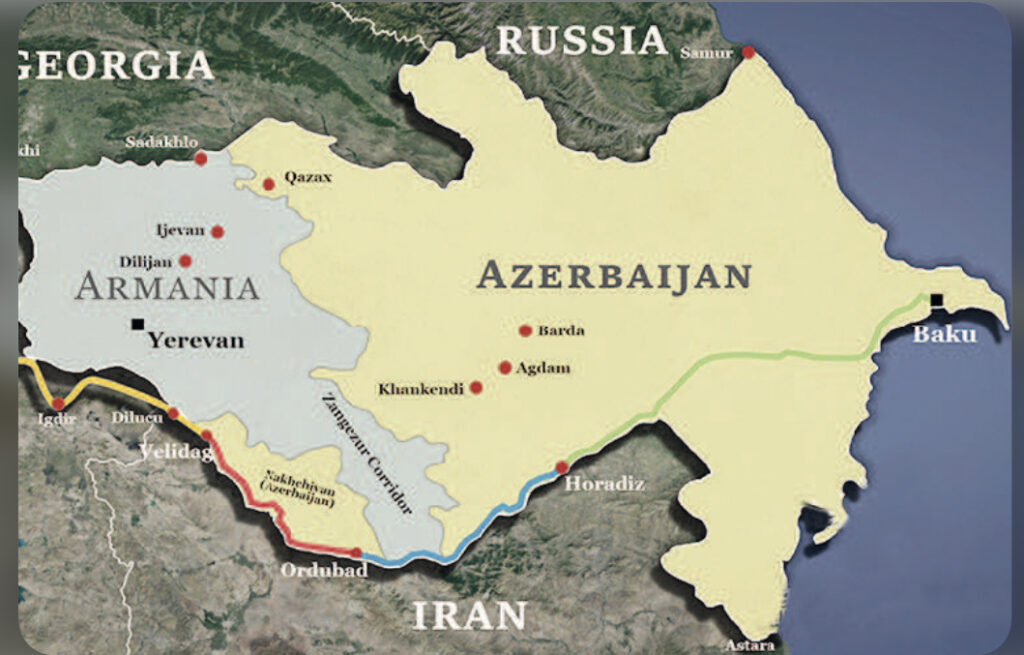
The historian emphasized that the Victory of November 8 had important geopolitical consequences on the international scale, new political realities were formed in the region – the balance of power in the South Caucasus changed, and Azerbaijan became a key player in the regional security system. The principles of international law – in particular, the principle of sovereignty and territorial integrity of states – were practically restored:
“Azerbaijan strengthened its positions in the UN, the Non-Aligned Movement and other international platforms, took its place as a leading party in peace and cooperation initiatives. This victory also created a precedent showing the possibility of a fair resolution of “frozen conflicts” in the post-Soviet space.
Thus, the Victory of November 8 laid the foundation for a new stage in the restoration of peace and stability in the region. It became a symbol of strength, unity and patriotism for future generations.”
idda.mediaservis